
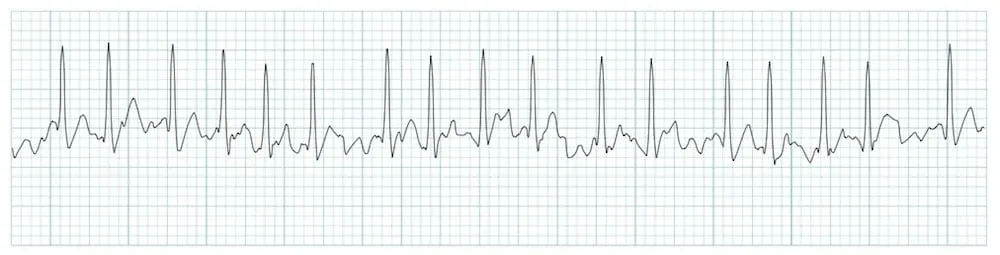
At Oly Heart & Vascular, our mission is to provide comprehensive, evidence-based cardiovascular care to our community. One of the most common heart rhythm disorders we treat is Atrial Fibrillation (AFib) — a condition that affects millions of people worldwide and significantly increases the risk of stroke, heart failure, and other heart-related complications.
What is Atrial Fibrillation?
AFib is an irregular and often rapid heartbeat caused by disorganized electrical signals in the upper chambers of the heart (atria). Instead of beating in a coordinated way, the atria quiver, which can reduce the heart’s efficiency and cause blood to pool, increasing the risk of clot formation.
Causes and Risk Factors
AFib can develop in otherwise healthy individuals, but several conditions and lifestyle factors increase the risk:
- Heart-related causes: Hypertension, coronary artery disease, valvular heart disease, heart failure, congenital heart defects.
- Non-cardiac causes: Hyperthyroidism, sleep apnea, post surgical, chronic lung disease, excessive alcohol or caffeine use.
- Age & genetics: The risk increases with age and family history.
- Other factors: Obesity, diabetes, and long-standing high blood pressure.
Symptoms of AFib
Some people with AFib have no symptoms, while others may experience:
- Palpitations (rapid, fluttering heartbeat)
- Shortness of breath
- Fatigue or weakness
- Chest discomfort
- Dizziness or lightheadedness
Symptoms may be constant or come and go (paroxysmal AFib).
Why AFib Matters
AFib is not just an irregular heartbeat — it can have serious consequences if left untreated:
- Stroke risk: AFib increases stroke risk by 4–5 times due to potential clot formation in the heart.
- Heart failure: Prolonged, uncontrolled AFib can weaken the heart muscle.
- Reduced quality of life: Persistent symptoms can limit daily activities.
Diagnosis
At Oly Heart & Vascular, we use advanced diagnostic tools to confirm and evaluate AFib:
- Electrocardiogram (ECG) – Records the heart’s electrical activity.
- Holter, event or loop recorder monitoring – Tracks heart rhythm over days or weeks.
- Echocardiogram – Evaluates heart structure and function.
- Blood tests – Checks for thyroid, electrolyte, or metabolic issues.
Treatment Options
Our AFib management is tailored to each patient’s needs, focusing on stroke prevention, heart rate/rhythm control, and quality of life improvement. Treatment strategies include:
– Lifestyle and Risk Factor Management: blood pressure control, weight loss, sleep apnea treatment, limiting alcohol/caffeine.
– Medications
- Rate control: Beta-blockers, calcium channel blockers, digoxin.
- Rhythm control: Antiarrhythmic drugs.
- Stroke prevention: Anticoagulants (blood thinners).
– Procedures
- Electrical cardioversion: Restores normal rhythm.
- Catheter ablation: Targets abnormal electrical pathways.
- Left atrial appendage closure (Watchman™): For patients who cannot take long-term blood thinners.
AFib Care at Oly Heart & Vascular
We offer a comprehensive electrophysiology program with:
- Board-certified cardiologists specializing in arrhythmia management.
- On-site diagnostic testing and heart rhythm monitoring.
- Collaboration with regional centers for advanced ablation and device therapies.
- Long-term follow-up for optimal outcomes.
Take Control of Your Heart Health
If you have symptoms of AFib or risk factors for irregular heartbeat, early diagnosis and treatment can significantly reduce complications.
📍 Visit Oly Heart & Vascular – Serving Southwestern Washington with state-of-the-art cardiac care.
📞 Call us today to schedule your consultation: (360) 884-0052
🌐 Learn more: www.olyheart.com
Oly Heart & Vascular Institute – Leading with Precision in Heart Health